

I understand the title might surprise you. It’s an peculiar combination, I admit. But let me elaborate where I’m coming from. Having spent years watching Canadian social rituals, I’ve identified a curious detail. During serious occasions, like the gathering after a funeral, people often seek tiny, shared moments of diversion. It’s a quiet, almost automatic search for a lighter connection. This is a deeply human impulse. That’s how a game like Lucky Jet—a popular crash-style game—comes into play from a unique angle. I’m not suggesting anyone engages during the service. Rather, I’m thinking about those quiet lulls at gatherings or wakes, when someone steps out for air and checks their phone, looking for a brief, engaging break. I want to investigate the Canadian context, the place of simple digital entertainment on hard days, and why a game built on quick, thrilling rounds might find an unexpected resonance during times of reflection.
Across Canada, the time after a funeral typically includes a reception or wake. This gathering forms a key part of how we mourn. It’s less about formal ritual and rather on community. People come together in church basements, community centers, or living rooms. They tell stories, express condolences over tea and sandwiches, and merely share the same space. The feeling in the room is usually a blend of deep sadness and a warm, steady support. From my experience, these events take an emotional toll. Attendees, especially those close to the deceased or those holding up the bereaved, often need a mental pause. You will see small groups moving onto the porch, or a person by themselves for a moment with their phone. This isn’t a sign of disrespect. It is a brief reset. The Canadian way is generally one of quiet allowance, an understanding that grief presents differently in everyone, and a small distraction may be a tool for managing a flood of feeling.
Mourning isn’t bound by a straight line. Our brains can’t contain intense sorrow without needing some relief. On long days filled with arrangements and emotional gatherings, the brain looks for tiny moments of respite. This is psychology, not any personal failing. A light distraction, an activity that asks for a sliver of focus beyond the sadness, can provide a crucial break. It enables a person come up for air before returning into a supportive role or their personal grief. For a lot of Canadians, particularly younger people or those familiar with being connected, this could mean scrolling social media, checking the news, or playing a straightforward game on their phone. The term “light” is key. The activity needs to be undemanding, quick, and able to deliver a small dopamine hit—a tiny spark of something besides sorrow. It functions as a self-care mechanism, a way to compartmentalize the pain for a moment so you can return to the room feeling a bit more grounded and ready to listen.
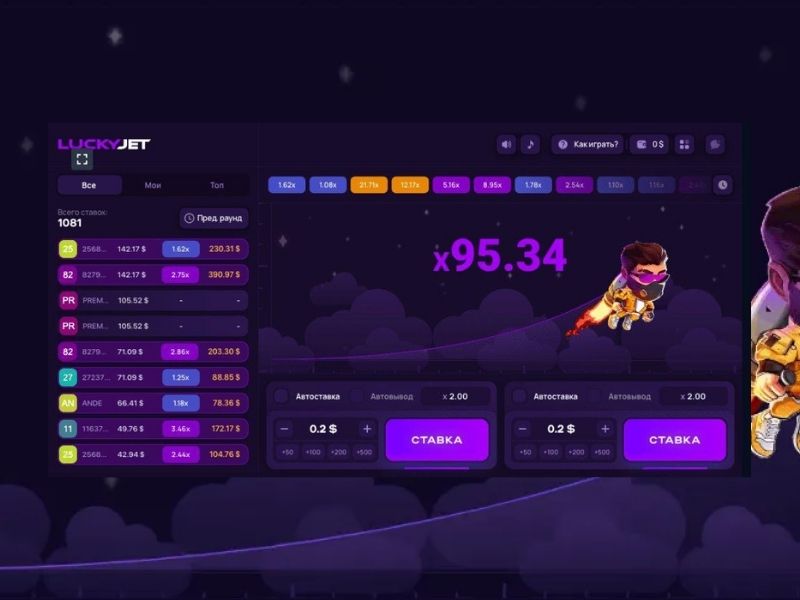
Let’s get specific about Lucky Jet Mobile App Jet. If you haven’t encountered it, Lucky Jet is a widely played online “crash” game. Its concept is remarkably simple and visually engaging. You place a bet and see a person—usually a person with a jetpack—begin to fly upward. A multiplier climbs as it ascends. You collect your bet before the jet suddenly disappears to lock in your winnings times that number. If you hesitate, you forfeit that bet. It’s a trial of nerve, timing, and quick decisions. A single round is over in seconds. The whole experience is based on quick bursts of anticipation and resolution. The on-screen feedback, the increasing numbers, the quick result—it creates a compelling loop. Its mechanics are ideal for short, captivating sessions. It doesn’t ask for long-term commitment or complex strategy; it’s a short-lived experience. That’s what renders it a suitable option for the kind of quick mental break I mentioned earlier.
There’s a underlying reason straightforward, repeating games gain traction during stress or sadness. Games like Lucky Jet, or even longtime standards like Solitaire or relaxed mobile puzzles, function by a mechanism of foreseeable unpredictability. We understand the rules, but each round’s result is a unknown. This hooks a instinctive part of our brain programmed for pattern recognition and reward, pulling focus away from cyclical, distressing thoughts. Imagine someone sitting in a corner at a Canadian funeral reception, psychologically overloaded. Starting a quick game gives their mind a organized task. It gives a “job”—track the jet, choose when to cash out—that lies entirely outside the day’s affective weight. This is not truly about winning money (and mindful gaming is important); it’s about the mental shift. The straightforwardness is the main point. It presents a regulated space where you can feel a small excitement or a minor letdown, all within the secure, brief container of your phone screen.
Having a phone out at a funeral or gathering requires thoughtfulness and good manners, something taken seriously in Canadian social norms. The key principle is prudence and respect. You are there to pay tribute to the deceased and support their family. Gaming in plain sight or browsing social feeds in the center of the primary space would be deemed inappropriate. However, stepping away briefly for your own needs in a chosen location—an outdoor porch, a calm corridor, the car—is usually understood. If you take a moment to decompress with a game like Lucky Jet, manage it privately, silently, and quickly. View it as a private recharge tool, not a shared pastime. My recommendation is to mute your phone, put on headphones for any noise, and be completely attentive when in company. The digital break is a strategy to keep your own composure, so you can be a better support. It’s not an justification to check out of the event completely.
Canada constitutes a cultural mosaic. Views toward death, mourning, and proper funeral behavior differ greatly. A quiet, reflective reception in one community may be a loud, celebratory wake in another. In some traditions, bringing out any form of game would be deeply offensive. In others, sharing stories and even lighthearted activities could be part of healing. This is the area where cultural sensitivity is everything. As someone fascinated by social dynamics, I need to emphasize reading the room and following the host family’s lead. The idea of a brief digital distraction constitutes a modern, personal coping method. It could not fit every cultural context. Before any thought of personal entertainment at such an event, you must prioritize the customs and feelings of the grieving family and the gathering’s dominant cultural norms.
This discussion brings us to a crucial point: responsible gaming. When playing during a tense moment or in daily life, a sound mindset is mandatory. Games like Lucky Jet are intended for entertainment, not as a method for handling emotional distress. If you realize yourself resorting to gaming (or any activity) frequently to avoid dealing with difficult emotions, it’s a indicator to find healthier alternatives. Here are my individual rules for managing game sessions in balance, especially during emotionally sensitive times:
A fast game is one approach among many. It’s certainly not the only path to a time of peace on a challenging day. I often suggest exploring other mindfulness techniques that can be just as effective for grounding yourself. Going outside for a short walk, even just around the block, can perform wonders. Centering on your breath—inhaling for four counts, holding for four, exhaling for four—is a strong, discreet reset. Starting a simple, grounding conversation about a neutral topic (the weather, a sports team, a shared memory unrelated to the loss) can also change your mental state. Sometimes, the most effective pause is to provide help with practical tasks at the reception, like refilling coffee urns or clearing plates. This steers your energy outward in a productive way, giving your mind a distinct kind of focus. The goal stays the same: a brief interlude from the emotional weight to renew your capacity for support and presence.
The picture of mourning in Canada is evolving. It merges long-held traditions with modern ideas about mental well-being. The core values—respect, community, remembrance—stay firm. But how individuals handle their personal grief within that framework is becoming more tailored. The silent acknowledgment that someone might need to step away for a few minutes is more widespread now. The discreet employment of a phone for a calming game, a text to a distant friend, or a mindfulness app is becoming a accepted, though private, part of handling long and emotionally complex days. It represents a fusion of old and new: honoring the timeless ritual of gathering while acknowledging contemporary tools for emotional regulation. Looking ahead, I think the most compassionate method is one that makes room for both profound tradition and personal, modern coping strategies, provided they are exercised with the utmost respect and discretion.
The relationship between somber moments and a game like Lucky Jet in Canada isn’t really about the game itself. It’s about the universal human requirement for brief mental respites during periods of intense emotional labor. It illustrates how modern digital tools, when used mindfully and responsibly, can offer tiny havens of focus and distraction. These small breaks allow us to return to our supportive roles with a slightly renewed strength. The important things to remember are respect for the occasion, sensitivity to cultural and family norms, and a balanced, healthy approach to using any entertainment as a temporary reset. In the quiet moments after a final farewell, finding a way to steady yourself isn’t an act of disrespect. Often, it’s a necessary step on the long path of grief and support.

