

Every time someone in Canada begins a round of Lucky Jet, an old philosophical argument begins alongside the game’s virtual jet. This crash game, well-known from coast to coast, places the concepts of fate and free will into a high-speed clash. The game’s algorithm indicates each round has a fixed, random outcome—pure chance. Yet players hold a moment of pure choice: the decision of when to hit the cash-out button. That tension transforms Lucky Jet into a digital arena for a timeless debate. Are players just seeing fate unfold, or are they actively steering their own destiny? The question pulls in psychology, game design, and how we make decisions when money is on the line.
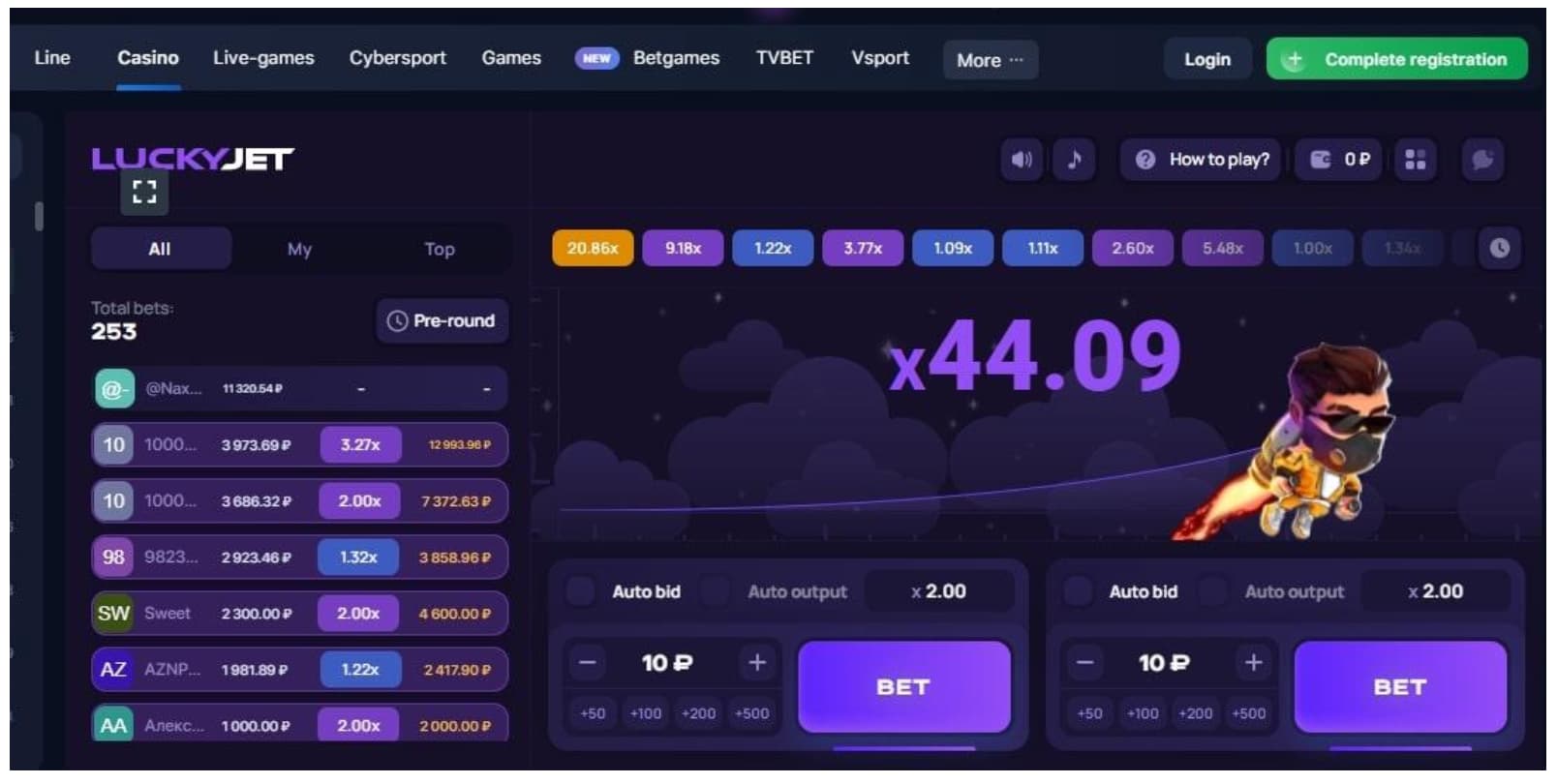
Lucky Jet operates on sophisticated algorithms designed to generate random, random outcomes. A round begins with a jet beginning its ascent. The multiplier rises from 1.00x. The aircraft eventually crashes at a random point, returning everything to zero. Players make a bet before the jet launches. In order to win, they must manually hit “Cash Out” prior to the crash, locking in the ongoing multiplier. If the jet vanishes before they act, they forfeit their bet. This complete process is controlled by a Random Number Generator (RNG). In licensed markets, this RNG is certified for fairness, ensuring each flight’s length is independent and random. For the player, this is the component of pure chance. The crash point is set as soon as the round commences, concealed in the code. No skill can anticipate the precise moment of the crash. This places one side of the debate solidly in the world of preordained results.
Even with that underlying randomness, Lucky Jet expertly builds a strong perception of control. The cash-out decision feels like a pure act of free will. As the multiplier rises, a player weighs greed against caution, a hunch against cold logic. They are not idle. They are taking a vital choice that changes their result. This emotion of agency is powerful. Players create personal rituals or “systems,” like always cashing out at 2.00x or waiting for a specific feeling. These habits reinforce the belief that their will shapes the outcome. This perceived control is central to the game’s grip. It converts a random number generation into a personal contest between the player’s nerve and the game’s hidden fate. The debate sparks right at this crossroads.
The “predestination” argument rests on the cold logic of computer code. The result of each Lucky Jet round is decided by an intricate algorithm before the jet even shows up on screen. The RNG disregards a player’s emotions, earlier rounds, or withdrawal history. It is a neutral digital fate-spinner. From this perspective, every win and loss is predetermined from the moment the bet is placed. The player’s withdrawal decision is just a reaction to a sequence already in motion. It resembles choosing when to step off a moving walkway whose end is already determined. The multiplier display is merely a visualization of a predetermined outcome. In regulated regions like Ontario, this randomness is thoroughly tested and certified, emphasizing the game’s fate-driven core. Here, the player is merely discovering a predetermined result, not creating one.
Free will advocates counter with a basic fact: the predetermined crash point means little without human decision. The algorithm sets the *potential* field, but the player’s choice determines the *actual* outcome. Imagine two users in the same round with matching bets. One exits at 1.50x for a modest profit. The other gets greedy and loses at 1.49x, dropping everything. The decisive crash point stayed identical for both. Their financial results, nevertheless, were entirely different because of their personal choices. This point, the argument states, represents free will in action. The game offers a risk environment, and the player maneuvers through it using judgment, control, or sheer impulse. Their choice directly determines the tale of their round. For a lot of players, this feeling of individual responsibility and active participation is what makes Lucky Jet more than a simple game of chance. It transforms into a test of character.
Canadian-based players are similarly susceptible to the cognitive biases that affect the fate versus free will perception https://aviacasino.games/lucky-jet/. The “gambler’s fallacy” is prevalent. After multiple low multipliers, a player might think a high one is “due,” mistakenly imposing a narrative of fate on independent events. The opposite, the “hot-hand fallacy,” occurs when a player who has cashed out successfully a few times feels their personal luck or skill is in control. Lucky Jet’s fast pace and simple visuals can amplify these biases. The mounting tension and the need for a calculated cash-out action satisfy the brain’s desire to discover patterns and exert control over randomness. Understanding these psychological underpinnings is key for players who want to engage mindfully. It assists them realize how their own minds blur the lines between chance and choice.
On discussion boards and in circles, Lucky Jet Canadian players discuss a blend of pragmatic tactics and deep beliefs. This blend demonstrates the conflict of views in action. Popular strategies are:
No matter if these methods are data-driven or otherwise, they represent efforts to assert personal choice on a system of fate. They are customs of command in the face of unpredictability. Their being emphasizes the human need to find agency inside chance-based frameworks.
The predetermination versus free will debate has tangible implications for ethical play in Canada. If a player veers too heavily into the “fate” story, they might take on a submissive, defeated attitude. They could believe outcomes are totally out of their control, which can result in impulsive loss-chasing. If they misjudge their free will and “skill,” they might take uncalculated chances, sure they can outthink the algorithm. A better approach recognizes the duality. It acknowledges that the crash point is random and uncertain—that’s destiny. It also takes full ownership of the decisions within a player’s power: bet size, cash-out timing, and the critical determination to stop. Canadian regulators and safe gambling supporters stress controlling these controllables. They suggest establishing deposit limits, using time-outs, and regarding the pursuit as financed entertainment, not an revenue generator. This moderate outlook is the most applicable application of the complete philosophical argument.

Lucky Jet’s appeal in Canada stems partly from how it mirrors a cultural tension. Canadians appreciate games of luck, from national lotteries to casino outings, but they also value pragmatism and smart options. Lucky Jet is right at this intersection. It delivers the quick rush of a lottery draw while presenting the continuous, active choice of the cash-out feature. It’s a social game where talk revolves around “big wins” (fate’s generosity) and “bad beats” where a player “should have cashed out sooner” (a failure of will). This turns it a compelling theme beyond mere gameplay. It functions as a digital miniature of a larger debate about how we understand influence and luck in our own lives. The game does not resolve the debate. Rather than that, it provides Canadians a arena to encounter and contemplate it in real time.
The most empowering stance for a contemporary Canadian player is to adopt Lucky Jet’s twofold reality. Accept the complete rule of fate over the algorithm’s unpredictable output. No hope, strategy, or optimal timing can alter the predetermined crash point once a round starts. At the very time, embrace and exercise your free will over the rest. You determine the amount you wager, the point where you secure winnings, how long you play, and how you react wins and losses. This measured view transforms the game from a philosophical puzzle into a clearer activity. You are engaging with a system of chance, applying your judgment to manage its risks. By differentiating what is predetermined (the game’s result) from what is chosen (your actions and limits), you can appreciate the exhilarating climb of Lucky Jet. You can preserve a grounded, responsible, and in the end more rewarding gaming experience made for the thoughtful Canadian player.

