
We find ourselves at a fascinating intersection where two different forms of entertainment—culinary exploration and online gaming—meet to establish a uniquely Canadian pastime https://legacy-of-dead.ca. As food festivals flourish across the nation, from the vibrant streets of Toronto to the beautiful coastlines of British Columbia, a similar adventure unfolds online with games like Legacy of Dead. This slot game, themed around ancient Egyptian exploration, offers a metaphorical treasure hunt that curiously echoes the quest for culinary discovery at our local food fairs. Both experiences are built around anticipation, the thrill of finding something new, and the substantial rewards of persistence. In this article, we will explore how the spirit of adventure featured in Legacy of Dead can enhance your approach to Canada’s varied food festival scene, transforming each visit into a purposeful expedition for flavour, culture, and community. We will guide you through practical strategies for exploring these festivals, matching the game’s thematic elements of discovery with the genuine and mouthwatering treasures waiting to be found.
Enhancing your food festival experience from simple tasting to a cohesive culinary journey involves deliberate pairing and theme-building, an approach not unlike scheming in a game session. Instead of randomly sampling disparate items, we suggest constructing a thematic thread for your day. For instance, you might focus on a single ingredient, like exploring the numerous uses of maple syrup across different vendors, from savoury glazes to sweet desserts. Conversely, follow a cultural journey, sampling dishes that trace a path from Asian street food to European pastries. This method creates a framework for your adventure, making each sample a chapter in a delicious story. It also helps manage sensory overload and allows for more meaningful comparisons. Consider pairing flavours purposefully: a rich, fatty dish followed by something acidic or bitter to cleanse the palate, much like balancing high-volatility spins with smaller, steady wins in gameplay. Connecting with vendors about the story behind their food—the origin of ingredients, the family recipe, the cooking technique—adds a layer of depth and connection, turning a quick bite into a remarkable discovery.
A Canadian food festival is greater than just a selection of things to eat; it is a multi-sensory cultural event. To fully embrace the adventure, we must participate in all the elements around the food. Live music, cooking demonstrations by famous chefs, artisan marketplaces offering local crafts, and interactive workshops are essential to the festival’s atmosphere. Participating in a butchery demo or a mixology class adds an informative component to the day, enriching your understanding of the culinary arts. These activities provide a pleasant respite between meals, allowing time to digest and reflect. Additionally, they often present opportunities for exclusive tastings or behind-the-scenes access, similar to unlocking a bonus round. Taking part in these ancillary activities enhances the experience, giving a holistic view of the region’s food culture and the dedicated people who are behind it. It transforms a simple day of eating into a full cultural immersion.
Just as a smart explorer would never venture into a pyramid without a map, attending a major Canadian food festival demands a plan to optimize the experience. Canada’s festival calendar is filled with iconic events like Toronto’s Taste of the Danforth, Vancouver’s Feast Tofino, or the Poutine Festivals held in Quebec and beyond. The first step is strategic reconnaissance. We recommend thoroughly reviewing the festival’s official website and social media channels to locate must-visit vendors, special event timings like chef demonstrations or pairing seminars, and any ticket or pass requirements. This research is our expedition guide. Next, consider the logistics on the ground. Food festivals are often crowded and crowded, so developing a browsing strategy is crucial. Do you want to do a full perimeter sweep to scout all options, or head straight to a specific target? Setting a budget, much like a gaming session bankroll, guarantees you can sample widely without worry.
Packing the right tools can be the difference between a tough ordeal and a smooth adventure. Comfortable footwear is essential, as hours of standing and walking on often rough terrain are common. Dressing in layers handles Canada’s unpredictable weather, from the warm coast of Halifax to the colder evenings in Calgary. We highly advise bringing a reusable water bottle to stay hydrated between flavorful tastings and a small pack of wet wipes for easy clean-up. Crucially, come with an open mind and a collaborative spirit. Attending with friends allows you to sample a larger variety of dishes, turning individual tasting into a collective discovery, mirroring the shared excitement of a big slot win among friends.
The most appealing dishes often have the longest lines, but these queues are not mere obstacles; they are part of the social ritual and a indicator of quality. Use waiting time strategically to decide what you’ll order, chat with fellow food lovers, and observe the preparation process. Often, splitting up your group to queue at different popular vendors can maximize time. If a line seems overly long during peak hours, note the vendor and circle back later—sometimes the best treasures are found just as the initial dinner rush fades. Patience, a virtue in both archaeological digs and slot gameplay, is equally rewarded at food festivals.
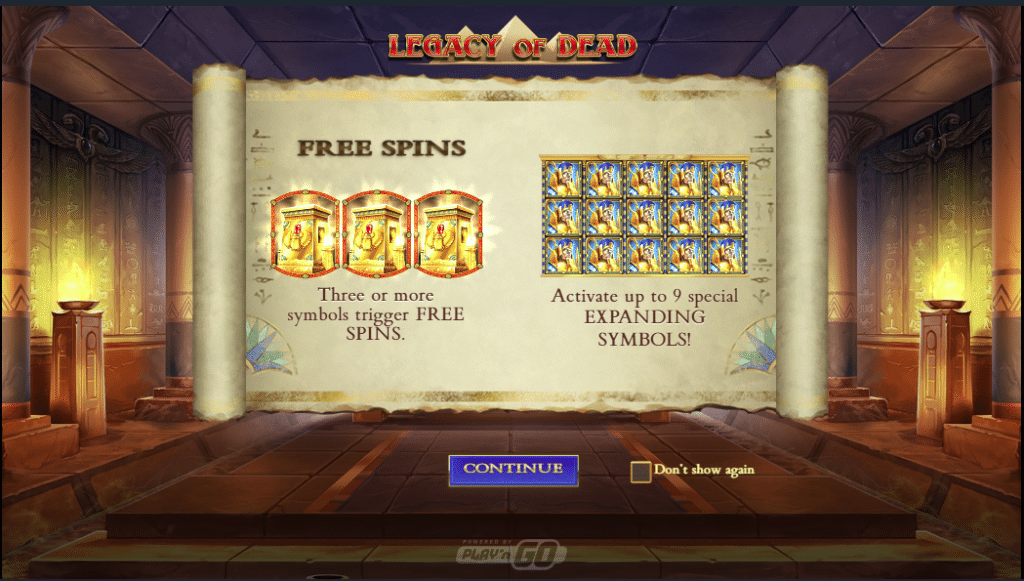
The core mechanic of Legacy of Dead is the quest for concealed treasures within ancient tombs, an idea that transfers remarkably well to the gastronomic event landscape. At a food festival, we are not merely eating; we are embarking on a curated exploration. Each food truck, vendor stall, or demonstration kitchen embodies a sealed chamber of potential delights, poised for us to uncover its secrets. The game’s free spins feature, triggered by landing three or more scatter symbols, is akin to coming across a speciality lane at a festival committed entirely to artisanal cheeses or Indigenous cuisine—a concentrated burst of exceptional quality that repays our curiosity. This mindset transforms our festival browsing from passive consumption to active exploration. crunchbase.com We begin to search for the “scatter symbols” of the food world: the long line that suggests a legendary dish, the unique aroma drifting from a less conspicuous stall, or the chef’s special that isn’t listed on the main menu. Adopting this hunter-gatherer mentality, inspired by the slot’s theme, makes every tasting decision more intentional and every discovery, whether a perfect bite of Montreal-style smoked meat or an innovative maple syrup infusion, feel like a genuine prize.
With so many appealing selections, the risk of overloading too soon or spending all your money on the first few stalls is high. A planned tasting approach is vital for stamina and pleasure. We suggest the “share and savor” methodology. Get one portion of a dish and divide it among your group. This enables you to taste a wider variety without becoming overly full or overspending on any single item. Focus on dishes that are special to the festival or the specific vendor, rather than items you can commonly find elsewhere. To support this strategy, we recommend following a simple decision-making process upon arriving at a festival.
Canada’s size is shown in its local foods, and its food festivals are the ideal platform to explore this richness. In British Columbia, events like the EAT! Vancouver Festival or the Okanagan Fest of Ale showcase West Coast ingredients, seafood, and world-class wines and craft beers, providing a refined, ingredient-driven adventure. The Prairies showcase their harvest through festivals such as the Saskatoon Berry Festival in Saskatchewan or many events during Calgary Stampede, where bold, hearty flavours and agricultural heritage shine. Ontario’s multicultural fabric is on full display at festivals like Toronto’s Savor the Avenue or Ottawa’s PoutineFest, where global influences merge with local produce. Quebec, with its deep culinary traditions, hosts renowned gatherings like the Festival des Vendanges de Magog or Montreal’s First Fridays, celebrating terroir, artistry, and joie de vivre. Finally, the Atlantic provinces present festivals like the PEI Shellfish Festival or Nova Scotia’s Devour! Food Film Fest, where the ocean’s flavors and maritime hospitality are the main attractions. Each region offers a different “tomb” to explore, filled with distinct culinary artifacts and flavours.
We recommend beginning with provincial and major city tourism websites (e.g., Destination BC, Tourism Ontario, Tourisme Québec), as they maintain comprehensive event calendars. Tracking local food bloggers and journalists on social media is also extremely useful, as they often offer early announcements and curated reviews. Community platforms like Facebook Events or apps like Eventbrite can be helpful for smaller, local gatherings. Subscribing to newsletters from culinary organizations like Food Network Canada or Canada’s 100 Best can also help you stay updated about major national events.

We strongly suggest purchasing tickets in advance whenever possible. Many popular Canadian food festivals sell out fast, and advance tickets are often more affordable than gate prices. Pre-purchasing also saves you significant time upon arrival, enabling you to bypass long ticket lines and start your culinary exploration immediately. Some festivals offer special VIP or early-access passes available only online, which can provide a more relaxed and enriched experience with shorter lines and exclusive tastings.
Communication is key. Before attending, check the festival’s website for information on dietary-friendly vendors. Once on-site, feel free to ask vendors detailed questions about ingredients and preparation methods. Most reputable vendors are used to these inquiries and can help you. We also advise eating a small, safe meal beforehand so you avoid being too hungry and relying on finding immediate options, easing the pressure and helping you to browse safely and patiently.
For families, seek out festivals that offer kid-friendly activities beyond food, such as face painting or interactive games, to maintain younger attendees engaged. For any group, set a clear meeting point in case you get separated. With larger parties, think about dividing into smaller teams to handle different food lines simultaneously, then gather again to share your finds. Setting a group budget and expectations beforehand helps make sure everyone is on the same page and can concentrate on enjoying the shared adventure.

