Few her v online kasinu se vyrovná s the legend of Mega Moolah. Pro hráči across Kanadě, the chase for its progresivním výhrou se vetkla do into a curious sítě víry. Tady, the cold zákony náhodné štěstí bump up against silně lidskou potřebou po vesmírné spravedlnosti. Tento pohled na společenský phenomenon around the game zkoumá, jak hráči, od Vancouveru to St. John’s, make sense svému štěstí.
Mega Moolah je více než automat. It is symbol for life-changing sums of money. That massive, climbing jackpot speaks to obecnému dream, ale v Kanadě the dream často nese výraznou taste. Kanaďané, se svou pověstí pro zdvořilost a pospolitost, občas mohou nahlížet na výhru through a filter of merit nebo univerzální spravedlnosti. A quiet question zůstává ve vzduchu: žije-li se dobře a činění dobra improve your odds on a Mega Moolah točení?
“Fair play” is a notion baked into the Canadian identity, something you see on the ice rink and in daily life. This cultural bedrock subtly influences how many people view games of chance. There’s an fundamental sense that a positive attitude and good intentions merit a reward, even when dealing with a random number generator. Spinning the reels of Mega Moolah turns into something bigger than a bet. It becomes a measure on your current balance in the universe’s ledger.
Across the country’s huge expanse, players devise their own rituals to attract fortune. Someone in the Maritimes may only place a spin after a successful lobster haul. An Albertan would feel luckiest after a hike with a perfect mountain view. These personal superstitions are efforts to align individual karma with the game’s unseen algorithm. They craft a story where the player helps shape their own fate, rather than just pressing a button and hoping.
Local news stories about jackpot winners often highlight those who plan to aid their communities or who have faced down personal struggles. This narrative reinforces the karmic idea that the universe delivers not to just anyone, but to the “right” person. Reading about a Mega Moolah winner donating a chunk of their millions to a hometown food bank strikes a chord. It makes the victory seem destined and morally sound, rather than a simple accident of math.
The Mega Moolah experience in Canada is rarely a lonely one. A robust community aspect exists where people discuss luck and karma, recount experiences, and amplify the excitement. When one player lands the jackpot, it often seems like a win for the broader community. It sparks a sense that positive luck is “in the air” and might spread to others.
Canadian online casino forums explode whenever a Mega Moolah jackpot occurs, especially if the winner hails from a well-known province or city. The community response is typically not envy, but a unified burst of excitement and praise. This collective happiness supports the notion that favorable events happen to people “like us.” It fosters a feeling of shared karma and makes every forum member sense they are closer to that next life-changing spin.
Some groups of friends organize virtual “Mega Moolah nights.” They all participate at the same time while chatting through a voice chat. They share their rituals, root for each other’s bonus rounds, and unanimously groan over near-misses. In their view, this shared energy creates a shared karmic pool. The group’s good vibes, they feel, boost everyone’s chances. It changes the pursuit from a individual endeavor into a communal, positive social occasion.
A twist that feels particularly Canadian is the “Luck of the North” idea. Some players are convinced that Canadians, maybe because of their renowned courtesy or their enduring spirit during long winters, have a unique form of gaming luck. This hint of national pride brings another element. It frames a Mega Moolah win not just as individual luck, but as proof of Canadian determination and spirit.
Beneath the surface, Mega Moolah operates with a approved Random Number Generator. That is a set, mathematical fact. But the human brain searches for patterns and meaning. The interesting clash happens when players acknowledge the randomness while also sensing their spiritual or karmic condition might sway the result. This wonderful contradiction forms the game’s cultural footprint in Canada.
We have to remember that the outcome of each Mega Moolah spin is determined milliseconds before the reels come to a halt. The RNG is the definitive, impartial judge. It cannot perceive a player’s kindness, their recent good deeds, or how diligently they adhered to their ritual. This provides total fairness, a mandatory feature for any respected online casino in Canada. The machine, in its pure logic, is unaware what karma is.
This is where the magic lives. Knowing the RNG is random does not stop players from building personal stories. A big win might be taken as a reward for getting through a difficult year. A near-miss can be regarded as a lesson in patience. By assigning random events a karmic meaning, players transform a mathematical game into a personal conversation with fate. This enriches the whole experience, stretching it far beyond a simple financial result.
A crucial and positive part of this conversation is how the concept of karma aligns perfectly with responsible play, a foundation of Canada’s gambling ethos. Seeing mindful gambling as a type of positive personal karma changes it from a dry obligation into a empowering, life-enhancing habit that fosters balance.
Numerous players who believe in karmic balance see establishing deposit and session limits as a method to shield their general spiritual well-being. The thinking is that chasing losses breeds toxic, anxious energy, the exact opposite of what attracts good fortune. By gambling responsibly, they remain in a constructive, receptive, and grateful frame of mind. They believe this is the state most prone to receive a possible big win.
This perspective turns responsible gaming from a limitation into a proactive plan for preserving good karma. It encourages a healthy detachment where the fun lies in the joyful engagement and the dream itself, not an obsessive hunt. This equilibrium ensures the game a fun, wholesome slice of life instead of a negative influence. It balances individual wellness with the possibility for a massive payout.
Appreciation is a central piece of numerous karmic traditions. Canadian players often mention that feeling thankful for the enjoyment Mega Moolah offers, win or lose, starts a beneficial loop. They begin each session savoring the rush of the bonus rounds and the shared experience, not just the jackpot. They see this appreciative outlook as the purest version of gaming karma, one that invites more positive experiences.
Look into any online forum where Canadian Mega Moolah fans gather, and you will discover a universe of elaborate rituals. Players do not just log in and play. They execute elaborate pre-game routines meant to remove bad luck and attract good energy. This extra behavioral step transforms the digital game into something hands-on and karmically potent.
Numerous players believe in particular times for Mega Moolah gaming sessions. Some are convinced the early morning, when everything is quiet and their head is clear, has the best karmic energy. Others wait for astrological events or personal milestones like a birthday, sensing the universe is more generous during these harmonious times. The full moon, for many optimistic spinners from British Columbia to Newfoundland, is regarded a notoriously powerful moment to play.
Even in a online setting, physical objects hold their power. A lucky mouse pad, a beloved coffee mug from a Canadian tourist spot, or a specific “lucky shirt” are standard. On the digital side, players might set up their browser tabs just so, or listen to a certain anthem from a Canadian musician before clicking spin. These acts build a ritual bridge between the physical world they live in and the digital one where fortune awaits.
One widespread belief is that the first spin after making a deposit, or the very first spin of a new day, holds extra karmic weight. The logic goes that fresh, positive intent, a new deposit showing commitment or a new day meaning a clean slate, unlocks a particular window of opportunity. This belief leads players to approach that initial spin with more attention and hope, attaching deeper significance to a moment controlled entirely by RNG.
Mega Moolah has moved past its function as a slot game to become a cultural reference point in Canada’s digital world. It serves like a digital hearth where people share stories about luck, destiny, and philosophy. The game gives us a lens to analyze our relationship with luck, and the stories we weave to comprehend it all.
Outside of any particular spin, Mega Moolah acts as a potent symbol of transformative possibility. In a life frequently dominated by habit, it embodies the electrifying idea that anything can transform in an instant. For Canadian players far and wide, this symbol hits home. It fuels reveries and ignites talks about what you would do with that type of liberty, how it could help others, and how it could feel to be chosen by fortune.
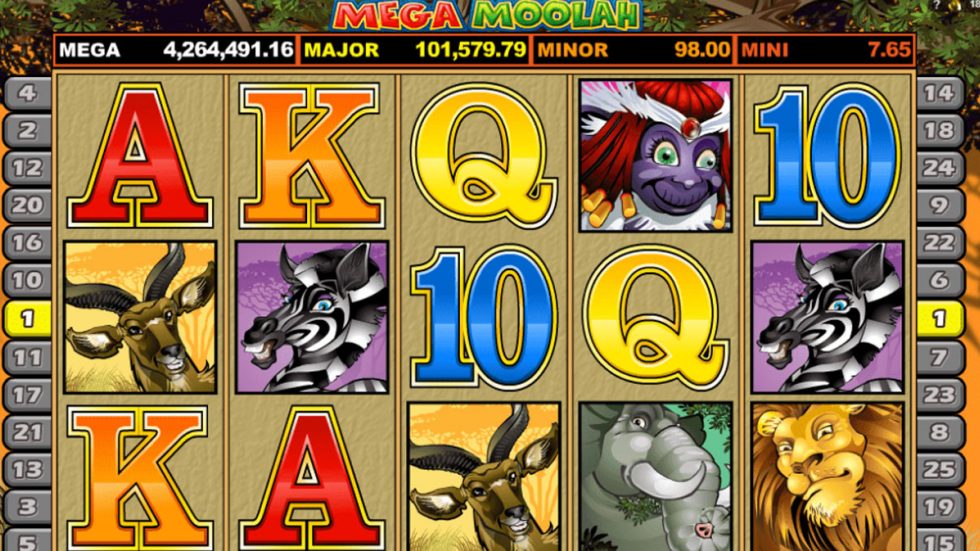
The game’s renowned wheel round, in particular, has transformed into a powerful metaphor for the wheel of fate https://megamoolah-casino.ca/. In that split second, the player deliberately stops the wheel. This strengthens the perception of mastery within the randomness, a perfect metaphor for the karmic beliefs we have explored. It is a moment where personal intention collides with mathematical fate, creating the lasting spark that draws millions returning, across in Canada, for that single iconic spin.